
Is Mold in Your Home Making Your Pet Sick? A Pet Owner's Guide
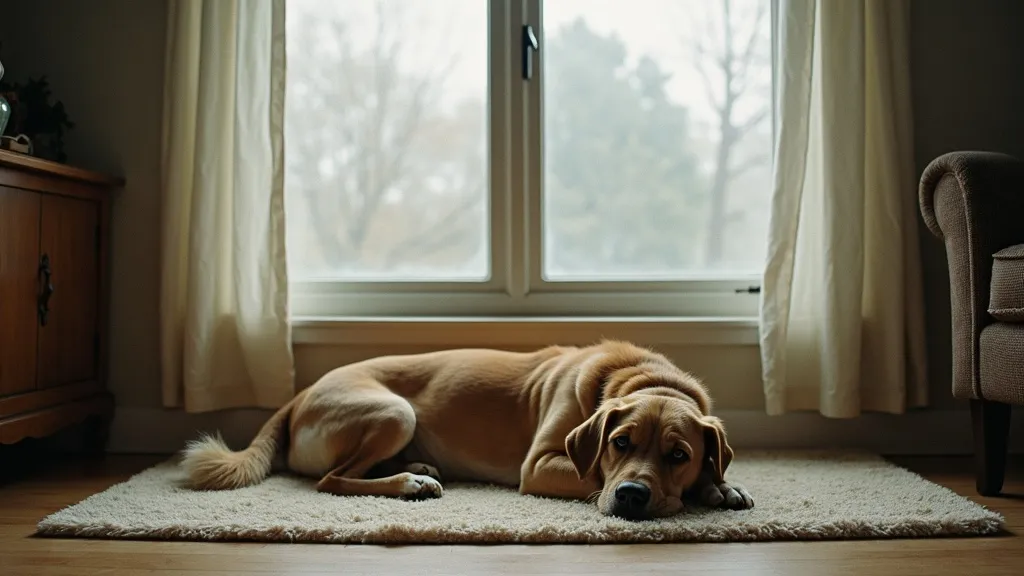
If you’ve found mold in your home and a pet who shares that space, here’s the honest, calm version. Breathed in, mold is one of the everyday allergens dogs react to, causing itchy skin and sneezing. The bigger danger is eating mold, which can cause vomiting, tremors, and seizures. Serious airborne mold poisoning in pets is real but rare.
This guide is a pet owner’s read on what the evidence actually shows, sourced to veterinary and public-health references, with nothing to sell you. We don’t do home remediation; we’ll point you to people who do for that side.
Breathed in, mold is an allergen — mostly for dogs
For most pets in most damp homes, inhaled mold behaves like the other allergens in the air: pollen, dust mites, dander. The Merck Veterinary Manual’s overview of atopy in dogs puts it plainly — it’s estimated that about 10% of all dogs have these allergies, “which are commonly due to inhaled substances, such as dust mites, pollen, mold, or dander.”
What that looks like at home is ordinary allergy signs:
The catch: none of these are unique to mold. The same signs come from pollen and dust mites. So they’re a reason to see your vet, who can actually work out the trigger, not a reason to conclude “it’s the mold.” For cats, we’d frame this even more cautiously: there isn’t a clean, cat-specific figure to point to the way there is for dogs, so treat feline mold-allergy claims with extra skepticism.
The bigger danger is eating it, not breathing it
This is the part that surprises people. The more serious, better-documented risk from household mold isn’t airborne. It’s a pet eating something moldy: spoiled food from the trash, a forgotten bowl, compost, fallen food in a damp garage.
The ASPCA’s Animal Poison Control warns that eating moldy food can cause tremors and seizures, and can be life-threatening if untreated. The mechanism has a name — tremorgenic mycotoxicosis. Per the Merck Veterinary Manual, “the predominant clinical signs in dogs are vomiting, tremors, intention tremors, hyperesthesia, ataxia, nystagmus, tachycardia, and seizures.” Mold of the Penicillium type is described as a dominant producer of the toxins involved.
The everyday takeaway is simple: keep trash secured, don’t leave wet food sitting out, and clear fallen or spoiled food from spots your pet can reach — especially damp ones. For the manufactured-food side of this — aflatoxin, recalls, and safe storage — see our guide on mold and pet food safety.
Which pets are more sensitive? Birds are the real exception
People want a ranking. “Are cats or dogs more at risk?” The honest answer is that the data doesn’t support a clean ordering for household mold. There’s one genuine exception worth knowing.
Birds. The Merck Veterinary Manual notes that smaller animals, and birds in particular, are usually more susceptible to inhaled toxicants because of their greater respiratory volume and larger respiratory surface area relative to body size. And aspergillosis — a mold infection of the lungs and air sacs — is the most common fungal infection in birds. If you keep birds in a home with a known damp or mold problem, that’s a specific reason to act on the moisture and talk to an avian vet.
For the rare, severe airborne case in mammals, the literature is thin on purpose. One of the only published reports of indoor mold linked to a pet’s death is a 2007 JAVMA case report of two cats in a water-damaged, mold-contaminated home that suffered acute lung hemorrhage; a Stachybotrys biomarker was found in their blood. It’s a single two-cat report, which is exactly why we describe severe airborne mold harm in pets as documented but rare, and “associated with,” not proven to cause harm across the board.
What to do: vet first, then fix the moisture
The order matters, because the two halves of this problem have two different owners.
First, the pet — that’s your vet. If your pet has ongoing itchy skin or sneezing, your vet can sort allergies from everything else and actually treat it. If your pet ate something moldy, that’s an urgent call, not a wait-and-see.
Then, the home — that’s moisture control. The EPA is direct: “the key to mold control is moisture control.” Dry water-damaged areas within 24–48 hours and fix leaky plumbing. Our companion guide on protecting your pet from household mold covers the prevention habits in detail. Absorbent materials that have already grown mold often can’t be saved and need to go. For mold inside walls, HVAC, or after a real water event, that’s a job for how household mold forms and gets removed by professionals — our colleagues at Mold Pros Phoenix cover mold remediation in depth. Removing the source is what actually ends the exposure; treating the pet without fixing the home just resets the clock.
Arizona note: valley fever is not household mold
If you’re in the desert Southwest, one clarification can save a lot of worry. Valley fever and household mold are different problems.
Valley fever comes from Coccidioides, a fungus that lives in dry desert soil and is breathed in when that soil gets disturbed by digging, dust storms, or construction. It is not the indoor mold that grows on damp drywall, carpet, or fabric. And per the CDC, it doesn’t spread from animal to animal or animal to person. So a damp bathroom and a dusty backyard are two separate conversations: indoor mold is a moisture-control issue, valley fever is a soil-and-dust one. If you’re worried your dog has valley-fever signs, take that to your vet directly — don’t fold it into the mold question.
The calm bottom line
Most pets in most damp homes are dealing with an allergen, not a poison. The exposure that actually lands pets in the ER is eating mold, not breathing it — so secure the food and the trash, and treat any moldy-food ingestion as urgent. Birds are the one species that warrants extra caution. And fixing the home means fixing the moisture, because that’s the only thing that ends the exposure for good.
When the harder days come and you’re thinking about what’s next for a pet you love, that’s the part we help with — connecting you with one vetted cremation provider in your area, free for pet owners, with nothing to upsell.
This guide is general information, not veterinary advice. It can’t replace an exam by a vet who knows your pet. If you think your pet has eaten something moldy or is in distress, contact a vet or animal poison control now.
Connect with the provider we'd trust
Free for pet owners · we sell you nothing · no paid listings, no upsells.